Introduction
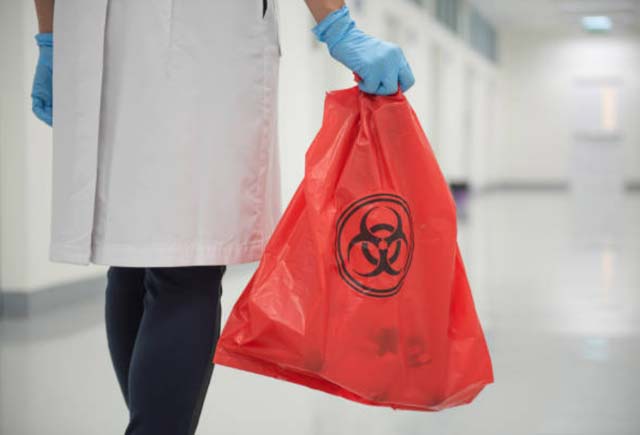
As the healthcare industry continues to grow in New York, so do the concerns surrounding medical waste disposal. Proper management and disposal of medical waste are crucial to ensure public health and Pharmaceutical Waste Management safety. To navigate the legal landscape of medical waste disposal in New York, healthcare facilities must adhere to specific regulations set by state and federal authorities. This article aims to provide a comprehensive guide on New York medical waste disposal regulations, highlighting the best waste management services available and offering insights into pharmaceutical waste management and compliance services.
Table of Contents
Understanding New York Medical Waste Disposal Regulations: Navigating the Legal Landscape The Importance of Compliance in Medical Waste Disposal Best Waste Management Service in NY: Ensuring Proper Disposal Hazardous Waste Disposal Service in New York: A Crucial Aspect of Compliance Pharmaceutical Waste Management: Safeguarding Public Health Medical Waste Disposal and Compliance Services: A Comprehensive Approach Key Factors to Consider when Choosing a Medical Waste Management Service Provider The Role of Technology in Medical Waste Disposal The Environmental Impact of Improper Medical Waste Disposal Steps to Achieve Full Compliance with New York Medical Waste Regulations Training and Education for Healthcare Staff on Medical Waste Disposal Ensuring Employee Safety during Medical Waste Collection and Disposal The Role of Government Agencies in Regulating Medical Waste Disposal The Cost of Non-Compliance with New York Medical Waste Regulations Common Challenges Faced by Healthcare Facilities in Medical Waste Disposal Implementing Effective Strategies for Segregation and Storage of Medical Waste Current Trends and Innovations in Medical Waste Disposal Practices Developing a Sustainable Approach to Medical Waste Management The Role of Public Awareness and Education in Medical Waste Disposal Legal implications of Improper Medical Waste Disposal in New York The Future of Medical Waste Disposal: Advancements and Predictions Frequently Asked Questions (FAQs) What is considered medical waste in New York? How should sharps be disposed of? Are there specific regulations for pharmaceutical waste disposal? What are the penalties for non-compliance with medical waste disposal regulations in New York? Can healthcare facilities handle their own medical waste disposal? Are there any exemptions for small healthcare facilities regarding medical waste disposal regulations?New York Medical Waste Disposal Regulations: Navigating the Legal Landscape
New York has stringent regulations in place to govern the proper management and disposal of medical waste. These regulations aim to protect public health, prevent environmental contamination, and ensure the safety of healthcare workers and waste management personnel.
Healthcare facilities, including hospitals, clinics, dental offices, laboratories, and nursing homes, must adhere to these regulations to maintain compliance with the law. Failure to comply can result in severe penalties and legal consequences.
FAQs
What is considered medical waste in New York?In New York, medical waste refers to any potentially infectious material generated by healthcare facilities during patient care or research activities. This includes used needles, syringes, blood-soaked bandages, cultures, stocks, and discarded surgical gloves.
How should sharps be disposed of?Sharps, such as needles and scalpels, must be placed in puncture-resistant containers specifically designed for sharps disposal. These containers should be labeled appropriately and stored securely until they can be collected by an authorized medical waste management service provider.
Are there specific regulations for pharmaceutical waste disposal?Yes, there are specific regulations for pharmaceutical waste disposal in New York. Pharmaceutical waste, including expired medications and unused drugs, must be segregated from other medical waste and disposed of properly according to state and federal guidelines. It is important to work with a waste management service provider that specializes in pharmaceutical waste disposal.
What are the penalties for non-compliance with medical waste disposal regulations in New York?Non-compliance with medical waste disposal regulations in New York can result in significant penalties, including fines, license revocation, and legal action. The exact penalties depend on the severity of the violation and the potential harm posed to public health and the environment.
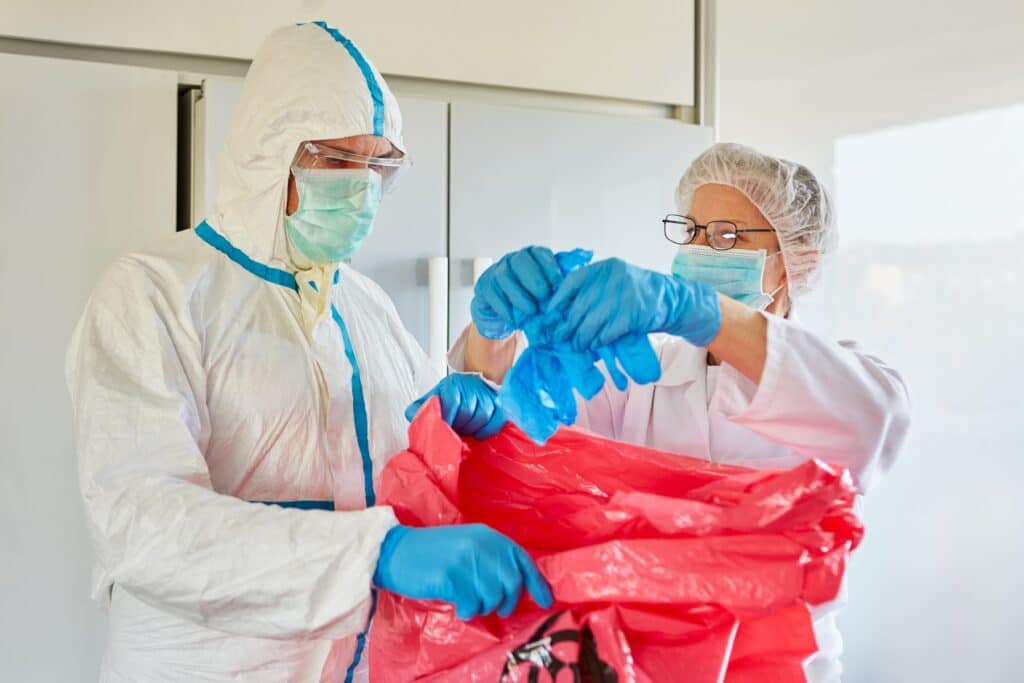
Healthcare facilities can handle their own medical waste disposal if they have obtained the necessary permits and licenses from the relevant authorities. However, it is often more cost-effective and efficient to outsource this task to a professional waste management service provider with expertise in medical waste disposal.
Are there any exemptions for small healthcare facilities regarding medical waste disposal regulations?Some small healthcare facilities may be eligible for exemptions or reduced requirements regarding medical waste disposal regulations. However, it is essential for these facilities to consult with local regulatory agencies to determine their specific obligations and any available exemptions.
Conclusion
Navigating the legal landscape of New York medical waste disposal regulations can be overwhelming for healthcare facilities. However, by understanding the importance of compliance, utilizing the best waste management services available, implementing proper pharmaceutical waste management practices, and seeking assistance from professional compliance services, healthcare facilities can ensure they meet all regulatory requirements.
By prioritizing employee safety, staying updated on evolving regulations, and embracing sustainable practices, healthcare facilities can effectively manage their medical waste while protecting public health and minimizing environmental impact. Compliance with New York's medical waste disposal regulations is not only a legal obligation but also a responsibility that contributes to the overall well-being of society.